
Why Are British Panto Dames Always Played by Men? A Pop Culture Explainer
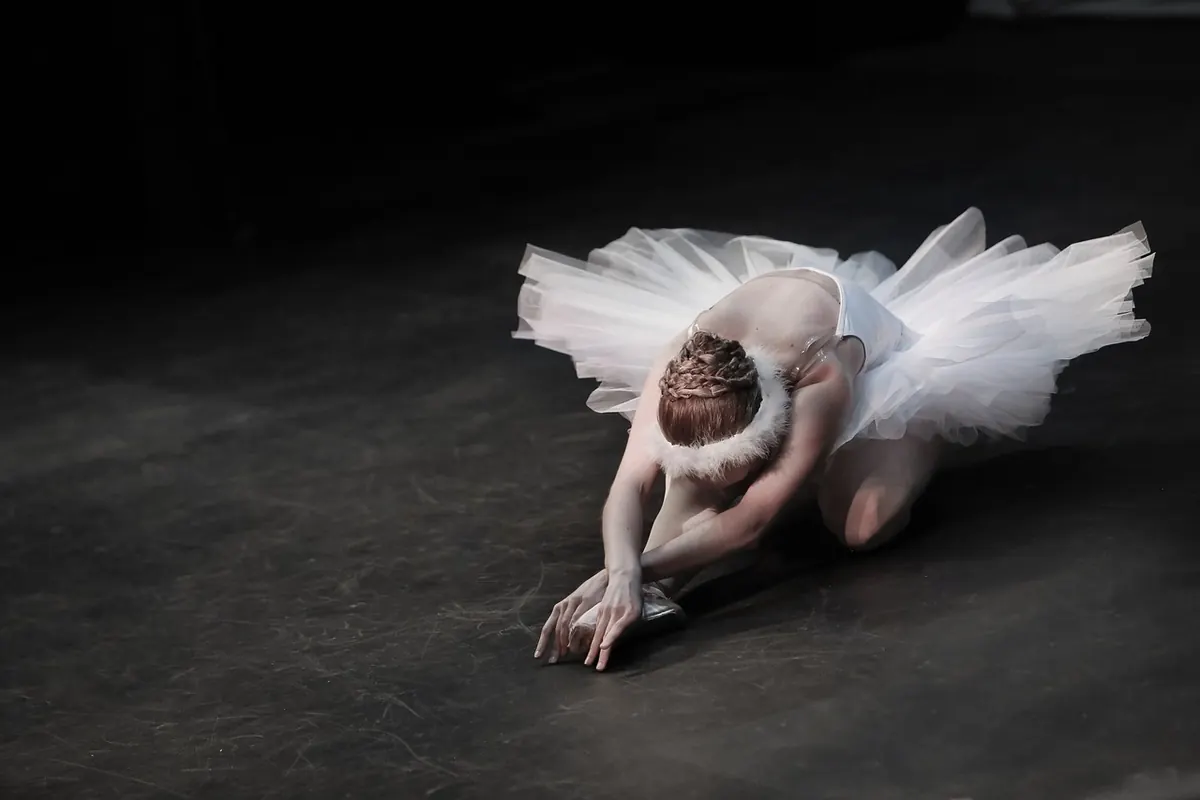
The Dame makes her entrance and the theatre knows exactly what it is getting: a vision in ruffles, a wig the size of a small dog, and a voice that could reach the back of the upper circle without a microphone. She is the loudest, funniest and most magnificently overdressed woman on stage — and she is played by a man. Nobody in the audience finds this confusing. A grandparent leans over to a grandchild and says, "that's the Dame," as though it were the most natural thing in the world. In British theatre, it is.
Where pantomime came from
Panto is a mongrel of a form. Its roots run back to eighteenth-century London, where Italian commedia dell'arte routines — Harlequin, Columbine, the slapstick that gave us the word — were stirred together with popular songs, dancing, patriotic spectacle and whatever stage machinery the theatre had recently invested in. Add Victorian music hall, and by the late 1800s pantomime had settled into roughly the shape we know: a Christmas family show built on a familiar story.
The usual suspects are Cinderella, Aladdin, Dick Whittington, Jack and the Beanstalk, Sleeping Beauty and Snow White, with Goldilocks and Robin Hood turning up depending on the theatre. Each has the same skeleton: a hero, a villain, a comic double act, a love story, a transformation scene, a singalong, and a Dame.
Why a man plays the Dame
The short answer is that pantomime has always been a cross-dressing form, and both halves of that tradition are old. In Victorian and Edwardian panto you would typically get two: the Dame played by a man, and the Principal Boy — the hero — played by a woman in tights, often cast because she packed the gallery with admirers. The music-hall star Dan Leno was celebrated for his Drury Lane dames at the turn of the twentieth century.
The Principal Boy convention faded away in the middle of the last century. The Dame stayed, and hardened into a rule. Why?
- Comedy of incongruity. A big, booming adult man in a frock, fretting about her son's love life or the state of her laundry, is funny on sight. The audience is always in on the joke, which is what makes it work rather than embarrass.
- Music-hall legacy. Female impersonation was a standard comic speciality on the halls, and pantomime inherited it along with the singalongs and the saucy asides.
- It gives a comic actor a leading part. The Dame is usually middle-aged or older, and frequently a mother. A brilliant comic with thirty years of timing behind them may have aged out of the romantic leads, but the Dame is the best role in the building.
- The pretence is the point. Nobody is expected to be fooled. Panto is a show about everyone being in on it together, and the Dame is the flagship example.
Not drag, not a stunt
The Dame and the drag queen share a family tree — the British music hall — but they are not the same job. The Dame is a character actor's role inside a scripted story. The audience meets a woman, however unlikely, and follows her through the plot: Widow Twankey is Aladdin's mother, Dame Trott is Jack's. She is frequently ridiculous, but she is rarely the villain and never an outsider. The audience loves her, and by the finale she is usually helping to sort the whole mess out. Modern scripts generally keep the joke on her dignity rather than on the frock itself.
The Dames you will meet
- Widow Twankey — Aladdin's mother, almost always running a laundry with her hopeless son and, in most versions, Wishy Washy.
- Sarah the Cook — the bluff, sauce-slinging servant in Dick Whittington.
- Dame Trott — Jack's mother in Jack and the Beanstalk, who sells the cow for a handful of beans.
- The Ugly Sisters — two men, usually in the loudest costumes in Cinderella, and often the most athletic performers on stage.
- The Nurse or Dame — Sleeping Beauty and Snow White vary by script; sometimes a royal nanny, sometimes a housekeeper with opinions.
The other strange rules of a British panto
Once you notice the conventions, the whole form looks like a game with a rulebook nobody wrote down.
- "He's behind you!" — the audience warns the hero, who never listens. Then there is "Oh no it isn't" and "Oh yes it is," which is essentially the crowd arguing with a character until it gives in.
- The ghost gag — a line of characters crosses the stage, each turning and screaming in turn. It is more or less the same routine every year, and audiences wait for it.
- The song sheet — a singalong, usually a pop song with rewritten words, performed with the house lights up.
- The skin part — a pantomime animal, whether Daisy the Cow or a horse or a cat, played by two actors in one costume. Every step becomes a comedy routine.
- The celebrity — a soap actor, comedian or presenter cast as the villain or the comic, performing with a knowing wink at the audience.
- Topical jokes — scripts get rewritten each season to include last year's news and local place names. A joke about the town's ring road will land harder than anything written in June.
- The transformation scene — the fairy-tale moment, delivered with lights, smoke, a puff of glitter and a change of costume you can hear from the back row.
It is also a serious business. For many theatres, the Christmas run is the biggest earner of the year, which is why the Dame gets top billing and why a show that opens in December may run well into January.
How to enjoy a panto, especially your
Photo: mgnorrisphotos / Pixabay